Volcanic Ridge Path
09:00–16:00
Position yourself at the elevated ridge crest to frame riders against the expansive, dark volcanic mountain backdrop. Access is part of the guided trail.
The volcanic ridges and ochre slopes around El Salobre create one of Gran Canaria's most photogenic riding environments. This guide maps the trail segments that photograph best, explains why morning light matters, and identifies the practical steps that separate amateur snapshots from frame-worthy equestrian images.
Quick answer
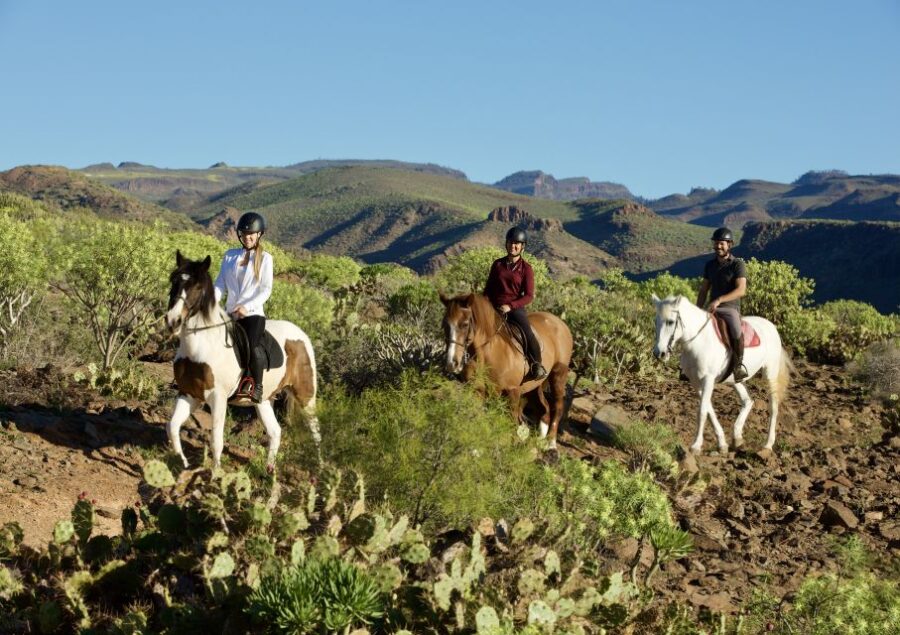
El Salobre horse riding excursions run from 09:00 to 22:00 daily, with the best photography window between 09:00 and 16:00 when morning and early afternoon light illuminates the volcanic terrain without harsh overhead shadows. The one-hour trail route (38.02 EUR per person) crosses ridgelines and desert plateaus that provide clean backgrounds and dramatic relief, particularly effective during the golden-hour approaches to sunset.
The basalt formations surrounding El Salobre shift color across the day—charcoal at dawn, rust-red by mid-morning, deep umber as the sun drops. Riders on the one-hour trail cross open plateaus where the horizon line sits unbroken and volcanic cones rise in clean geometric silhouettes behind horse and rider. Photographers working this terrain face two advantages: the desert palette eliminates visual clutter, and the elevation changes create natural vantage points where a trailing rider can frame the lead horse against sky rather than scrub. Morning departures between 09:00 and 11:00 deliver side-lighting that sculpts the horses' musculature and throws long shadows across the trail, adding depth to compositions that would flatten under midday sun. Early afternoon remains workable until around 16:00, after which the light softens into the golden hour—visually rich but operationally constrained by the need to return before the 22:00 closure. Riders aiming for equestrian photography el salobre should request the first or second departure slot, which allows time to pause at ridgeline viewpoints without pressure from the schedule. The trail's open sections reward wide-angle lenses that capture both rider and landscape, while the narrower passages between lava walls suit longer focal lengths that isolate the horse against textured stone. A polarizing filter manages the intense Canary Islands sky without introducing unnatural color shifts. Dust rises quickly on the volcanic soil, so lens protection matters more than in coastal environments. Riders carrying cameras should use chest-mounted or wrist-strap systems; neck straps interfere with reins and shift position as the horse moves. The terrain permits ground-level shooting only at designated rest points, where guides pause to allow group regrouping. These stops occur at overlooks where the valley opens below and the Atlantic horizon appears in the frame's upper third—a composition that situates the ride within Gran Canaria's geographic scale. Riders hoping to capture these moments should communicate their intent when booking, as guides can adjust stop duration slightly to accommodate tripod setup or multi-angle sequences. The volcanic landscape horse photos that define this location depend less on equipment than on timing and positioning, both of which improve with advance planning and early arrival.
“The basalt formations surrounding El Salobre shift color across the day—charcoal at dawn, rust-red by mid-morning, deep umber as the sun drops.”
09:00–16:00
Position yourself at the elevated ridge crest to frame riders against the expansive, dark volcanic mountain backdrop. Access is part of the guided trail.
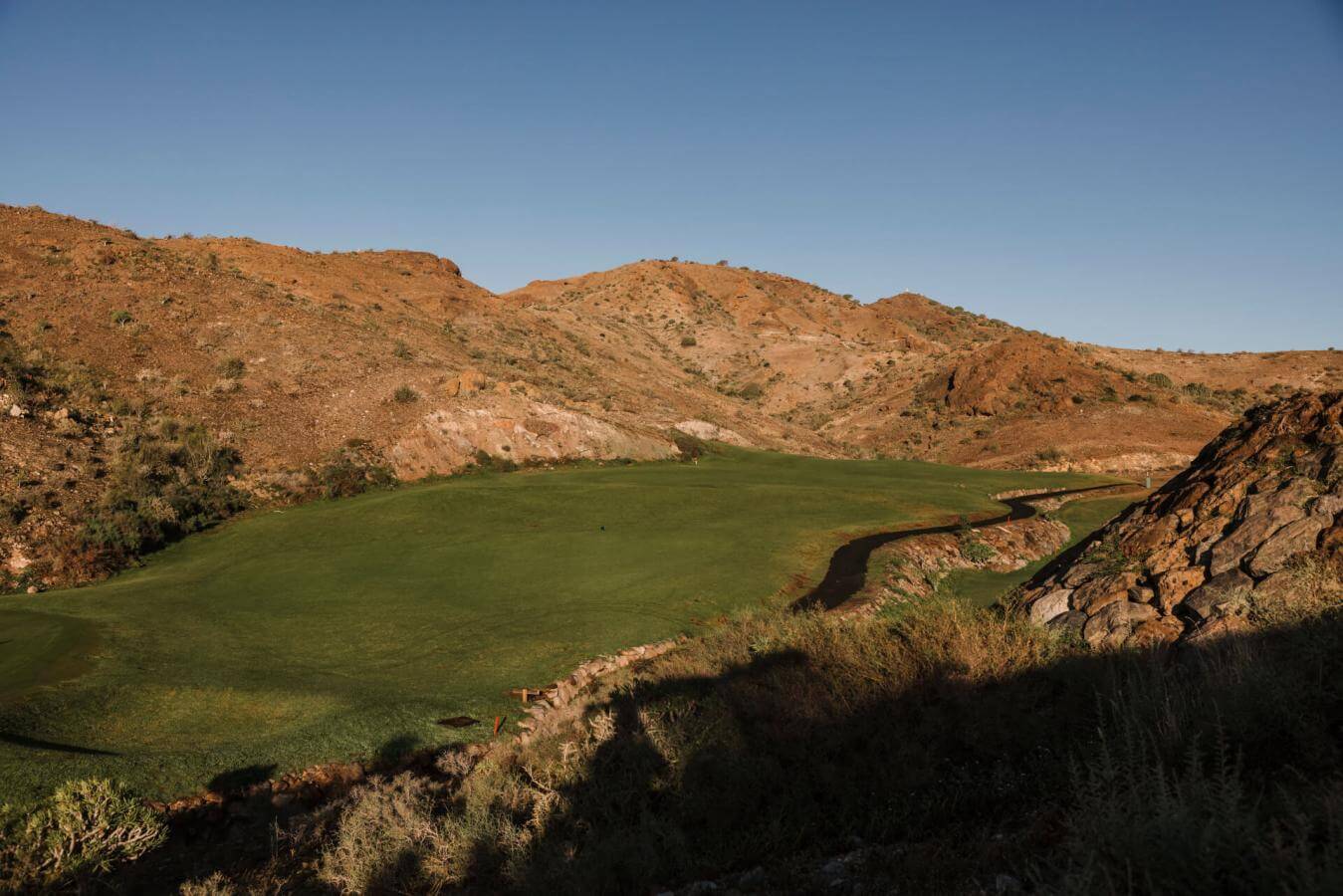
09:00–16:00
Capture a low-angle shot from the trail floor to emphasize the contrast between the horses and the open, rugged valley landscape. Use the wide-angle setting for depth.
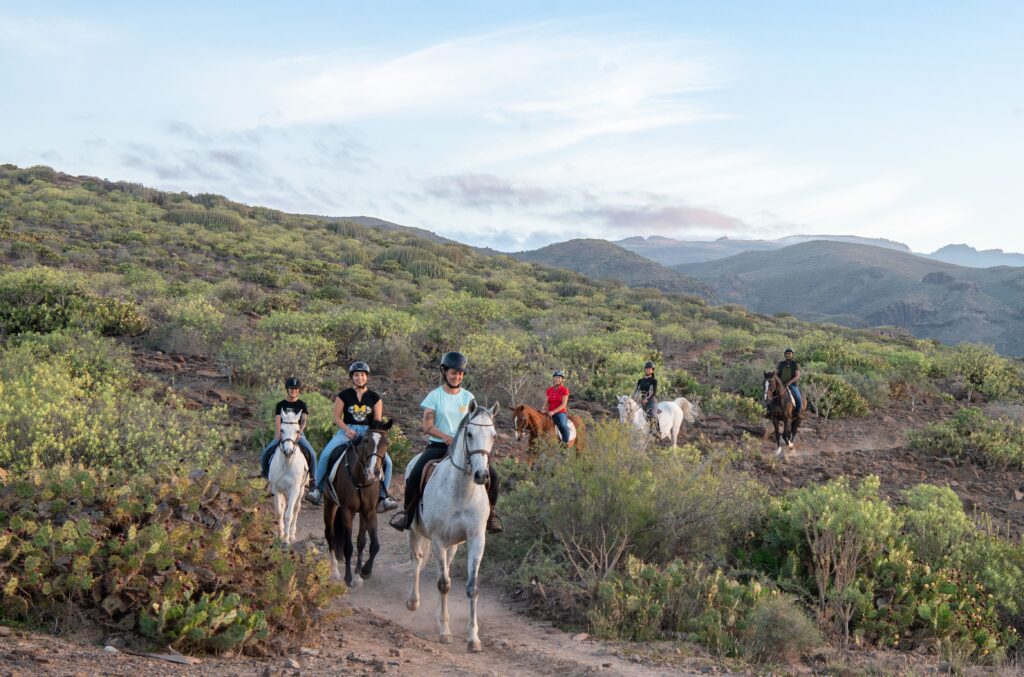
09:00–16:00
Focus on the textures of local vegetation in the immediate foreground while keeping the horseback riders in the mid-ground. This adds depth to the composition.
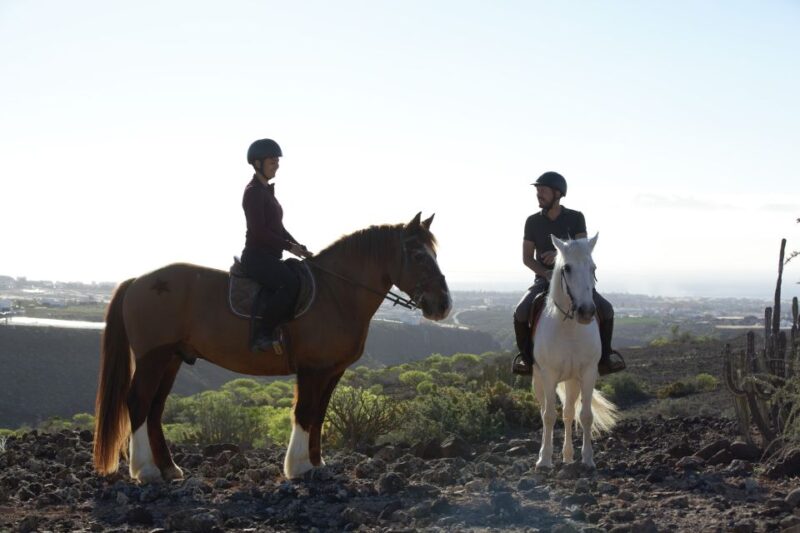
09:00–16:00
Use the mid-afternoon light to create a silhouette effect as riders pass along the ridge line against the sky. Position at the higher trail segments.
To capture the volcanic terrain of El Salobre with optimal clarity, plan your arrival within the best arrival window of 09:00–16:00. These hours provide the most consistent natural light for photography, minimizing harsh shadows against the rugged landscape.
—
Early sessions offer soft lighting for high-contrast volcanic textures.
Dry, 18°C–22°C
Clear skies predominate, ensuring stable lighting conditions throughout the day.
Mild, 20°C–25°C
Consistent sunshine creates reliable illumination for outdoor excursions.
Verdict: The best time for photography is any weekday between 09:00 and 16:00 during the spring or autumn months.
El Salobre Horse Riding maintains a consistent daily schedule to accommodate visitors throughout the week. The facility is open seven days a week to provide access to the volcanic landscape.
The El Salobre horse riding facility is located in the San Bartolomé de Tirajana region. The most direct way to reach the site is by road, allowing for flexible access to the volcanic landscape.
GC-500 towards El Salobre
Direct to Calle Islas Malvinas 3
Global Bus line to El Salobre stop
The facility is located at Calle Islas Malvinas 3, 35106 El Salobre, San Bartolomé de Tirajana, Las Palmas, Spain. Utilizing a GPS navigation system is recommended for the final approach on local roads.
Everything you need to know about el salobre horse riding photos
The best time to capture high-quality el salobre horse riding photos is between 09:00 and 16:00. This window provides optimal natural lighting for highlighting the volcanic landscape against the terrain.
There are no strict restrictions on bringing a camera, but safety remains the priority while handling the reins. Please ensure your gear is secure before mounting the horse to avoid distractions during your el salobre horse riding photos session.
To achieve the best results for your Gran Canaria equestrian snapshots, focus on the contrast between the volcanic earth and the horses. Utilizing a wide-angle lens can help incorporate the expansive mountain views into your frames.
Children are welcome to participate in the excursions, provided they meet the age and safety guidelines set by the facility. Always confirm specific requirements with the staff to ensure a safe environment for younger riders.
Photography is generally permitted throughout the duration of the ride, allowing you to document the ride and the surrounding nature. Be mindful of the horse and your surroundings to maintain safety while you compose your shots.
The base price for a 1-hour horse riding excursion is 38.02 EUR per person. You can finalize your booking through the official website to secure your time slot.
El Salobre Horse Riding Adventure with Transfer Options
Read more Tickets & toursEl Salobre Horse Riding from Maspalomas
Read more GuideVisit the El Salobre Horse Riding Center
Read more Tickets & toursEl Salobre Horse Riding Adventure
Read more GuideEl Salobre Horse Riding Reviews & Ratings
Read more